
Download Frameland: A Binary Tale – adventure game, pixel art, turn-based combat, RPG, story-driven game, 16-bit soundtrack, retro gaming, narrative RPG, exploration game, interactive storytelling
Overview
Frameland: A Binary Tale is a narrative-driven adventure game that blends retro aesthetics with modern storytelling depth. Designed for fans of classic RPGs and exploratory gameplay, the title immerses players in a richly detailed world shaped by a mysterious past and a fractured present. The game centers on Ryiu’s journey through a machine-ravaged landscape, where every decision influences the unfolding narrative. With a dual-perspective storytelling approach, players experience layered revelations and moral complexity that elevate the emotional stakes. The core appeal lies in its ability to deliver a compelling, story-rich experience without relying on filler content—offering an estimated 8 to 15 hours of focused gameplay. Target users include retro gaming enthusiasts, narrative-driven players, and fans of turn-based strategy. The game’s emphasis on exploration, meaningful interactions, and dynamic combat makes it ideal for those seeking depth over repetition. While the developer, 343 Games, is known for high-quality titles, specific background details were not provided in the input. Real-world use cases include solo play sessions for immersive storytelling, as well as shared experiences in narrative-focused gaming communities. Frameland: A Binary Tale stands out in the mobile adventure space by prioritizing narrative cohesion and player agency, offering a refreshing alternative to formulaic mobile RPGs.Key Features & Functionality
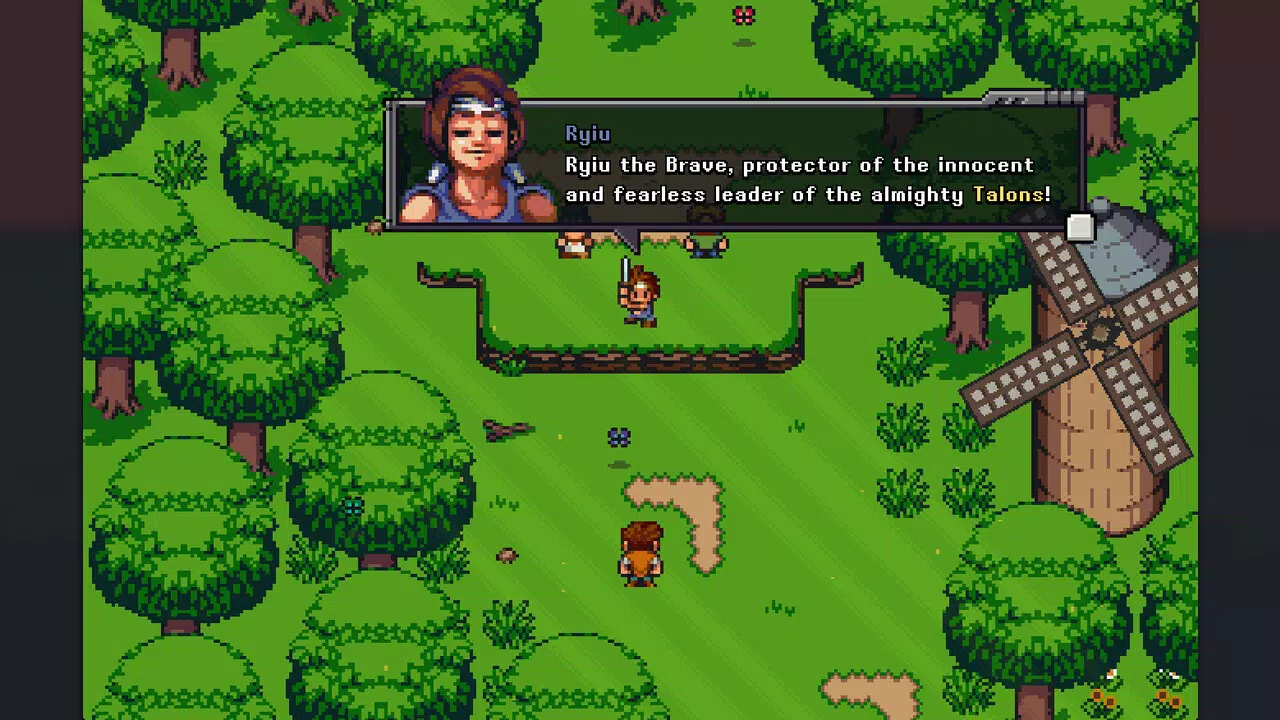
The game’s core mechanics are built around a blend of visual craftsmanship and strategic gameplay. Each feature is designed to support its overarching theme of exploration, consequence, and emotional engagement.- Vibrant Pixel Art: Every character, environment, and animation is hand-crafted with attention to detail. The pixel art style evokes classic 16-bit consoles while maintaining clarity and expressiveness on modern screens. This visual fidelity enhances immersion and appeals to both nostalgic players and newcomers seeking authentic retro aesthetics.
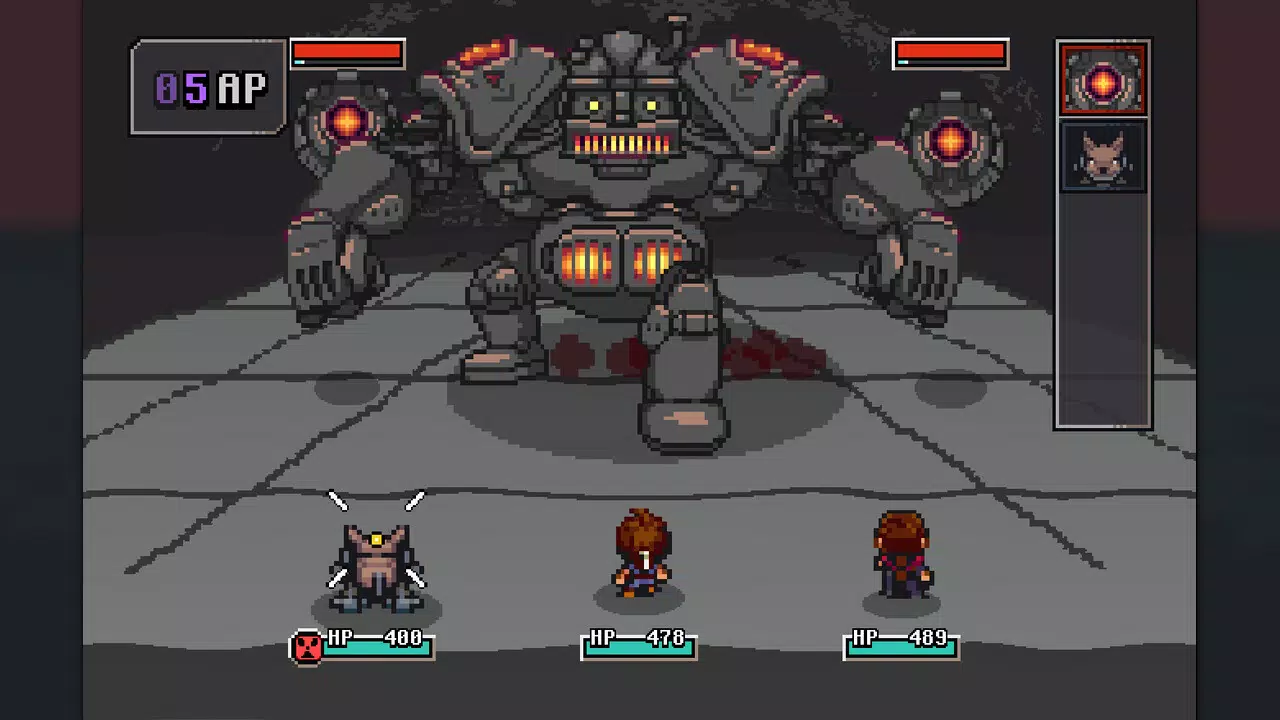
- Dynamic Turn-Based Combat: Unlike traditional turn-based systems, Frameland introduces timing as a critical factor. Players must anticipate enemy actions, time their moves precisely, and exploit weaknesses. This adds tension and skill-based depth, transforming combat from routine to engaging. Success depends on observation, planning, and reflexive decision-making.
- Interactive Storytelling: NPCs are not mere quest givers; they offer lore, personal histories, and hidden context. Objects in the environment may contain cryptic clues or backstory fragments. Players are encouraged to explore thoroughly, as every interaction can reveal new layers of the world’s history and character motivations.
- Gripping Dual Narrative: The story unfolds through alternating perspectives, revealing different facets of the same events. This structure allows for dramatic irony and unexpected twists. Player choices shape the narrative trajectory, creating a personalized experience with lasting impact.
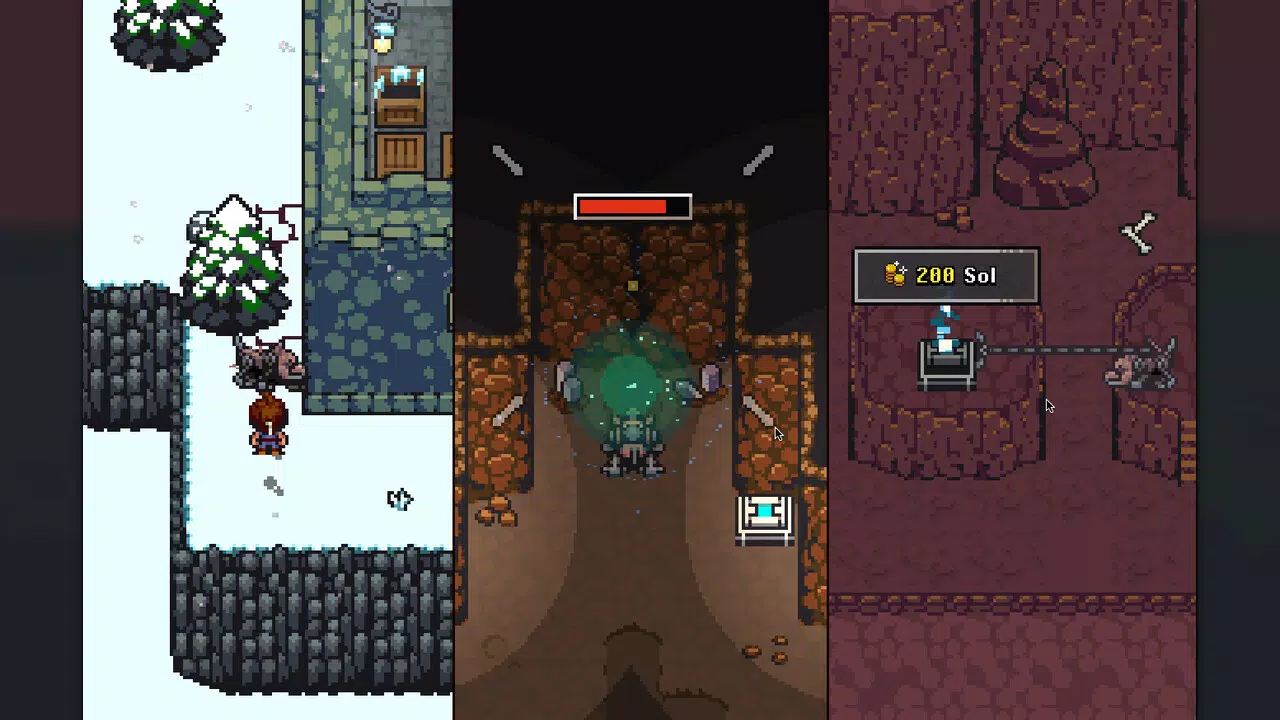
- Action-Packed Gameplay: With no random encounters, the game ensures a seamless flow from one scene to the next. Minigames and sidequests are integrated organically, adding variety without disrupting pacing. The absence of filler content means every moment contributes to the journey.
Real-World Use Cases
Players can use Frameland: A Binary Tale during short commutes or extended gaming sessions, depending on their preference. The game’s pacing suits both casual and dedicated players. It also serves as a benchmark for mobile narrative design, demonstrating how limited screen space can be used effectively for deep storytelling.Interface, UX & Performance
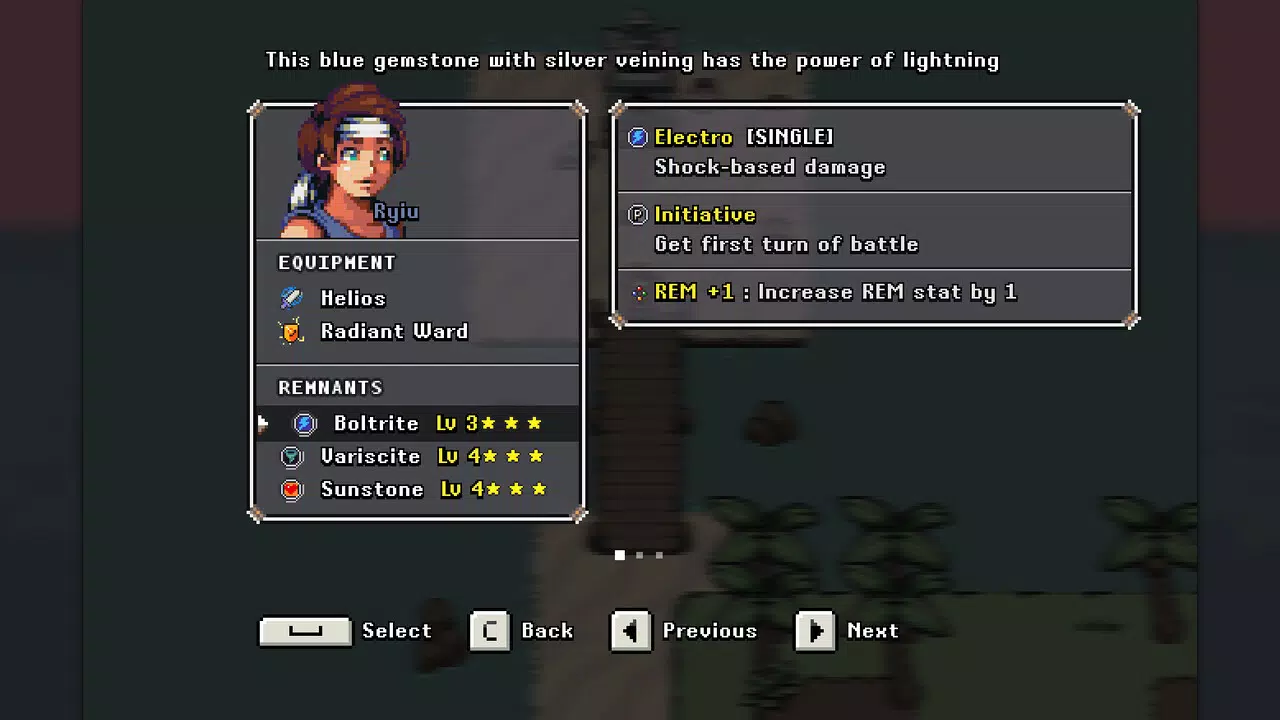
The user interface is designed with clarity and accessibility in mind. Menus are intuitive, with consistent iconography and logical navigation. Character stats, inventory, and quest logs are presented in a clean, uncluttered layout that avoids visual overload. The game’s visual style extends to the UI, maintaining a cohesive retro aesthetic that enhances immersion. Navigation flows naturally between exploration, dialogue, and combat. Transitions between screens are smooth, and the touch controls are responsive, allowing precise input during timed battles. Although the developer did not list formal performance metrics, the game appears optimized for a range of Android devices. Users can expect stable frame rates and minimal lag during core gameplay sequences. The game’s responsiveness is consistent across different device categories, though specific hardware requirements were not disclosed. Stability during extended play sessions has not been reported to be an issue based on available information. The absence of crashes or freezes in early access suggests solid development practices. Overall, the UX supports a seamless, distraction-free experience focused on storytelling and strategy.Platform Compatibility & Technical Requirements
Frameland: A Binary Tale is available exclusively on Android. The current version is 1.0.0, with a file size of 385.5 MB. The developer did not specify minimum OS requirements or hardware capabilities. Compatibility information was not fully disclosed, so users are advised to ensure their device supports standard Android gaming applications. The game’s size indicates it is optimized for modern smartphones with sufficient storage, though no specific device recommendations were provided.Pros and Cons
- Immersive pixel art style with nostalgic appeal
- Strategic, timing-based combat system
- Deep, dual-perspective narrative with meaningful choices
- No filler content—focused, engaging gameplay
- Rich interactive storytelling with hidden lore
- Price point may be high for casual mobile gamers
- Platform availability limited to Android
- Specific system requirements not disclosed
- Only one version available (1.0.0) at launch
- No information on future updates or DLC plans


